



A Touch of Elegance the Garden Rose Red Keepsake Urn
December 11th, 2025 | Posted in Adult Cremation Urns - (0 Comments)In the journey of life, we encounter moments of joy, love, and sometimes heart-wrenching sorrow. The loss of a loved one is undoubtedly one of life’s most challenging experiences. During these times of grief, it becomes essential to find meaningful ways to remember and honor those we have lost. One beautiful way to do this is through the use of keepsake urns, such as the exquisite Garden Rose Red keepsake urn adorned with gold accents.
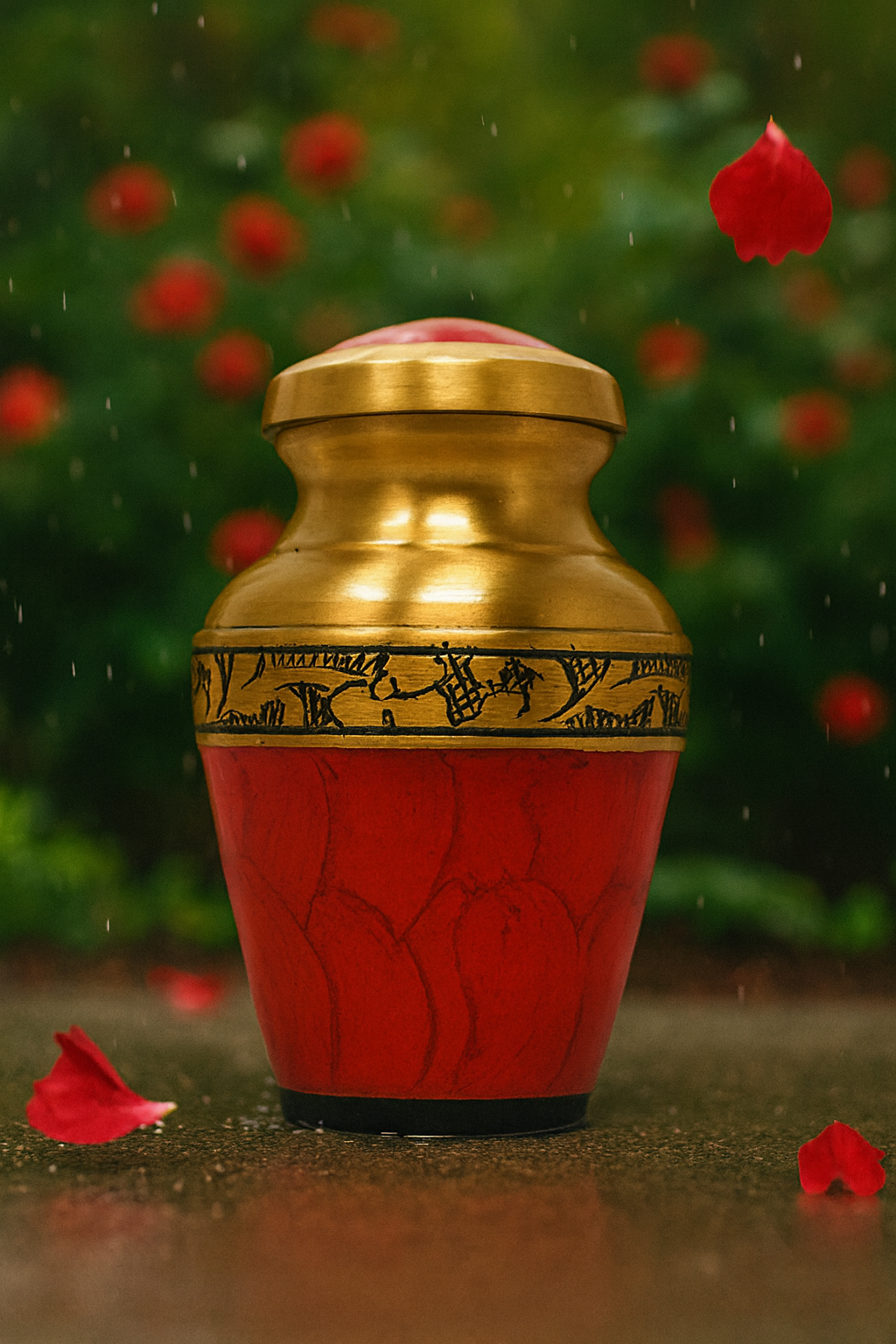 This keepsake urn captures the essence of love and remembrance, making it an ideal choice for those looking to preserve the memory of a cherished individual. The Garden Rose red color evokes feelings of warmth and tranquility, reminding us of the beauty of blooming flowers and the unconditional love often represented by nature. The subtle red hue adds a gentle charm, making it suitable for both men and women.
One of the highlights of this urn is its elegant gold detailing, which elevates its aesthetic appeal. Gold is often associated with prestige and honor, making it a fitting complement to the significance of the keepsake urn. The combination of red and gold creates a harmonious balance, offering a visual representation of love and remembrance that can be proudly displayed in any home.
Keepsake urns serve a unique purpose; they allow families to hold onto a small portion of their loved one’s ashes while also providing a tangible connection to their memory. The Garden Rose red keepsake urn offers a beautifully crafted space to store a small quantity of ashes, a lock of hair, or other personal mementos. This feature allows families to keep their loved ones close, offering comfort during times of grief.
One significant aspect of the Garden Rose Red keepsake urn is the care and craftsmanship that goes into its design. It is typically made from high-quality materials to ensure both durability and beauty. Each urn is often hand-finished, resulting in a unique piece that serves as a personal tribute to the deceased. This attention to detail makes it a suitable choice for anyone wanting to create a lasting memory.
In addition to its aesthetic and symbolic significance, the Garden Rose red keepsake urn offers families a way to celebrate their loved one’s life. Whether displayed in a living room, bedroom, or garden, this urn serves as a focal point for remembrance and reflection. Families can surround it with photographs, flowers, or other tokens that honor the life of the person they’ve lost, creating a dedicated space for memory and healing.
Finding a keepsake urn that resonates with you and your loved ones can be a deeply personal journey. The Garden Rose Red keepsake urn stands out as a poignant choice that combines beauty, elegance, and symbolism, making it a heartfelt tribute to those who have touched our lives.
Celestial Midnight Blue Teardrop Urn
November 26th, 2025 | Posted in Adult Cremation Urns - (0 Comments)Embracing Remembrance: The Celestial Midnight Blue Teardrop Urn
Losing a loved one is an emotional journey filled with memories, reflections, and a longing to honor their legacy. As families navigate the complexities of grief, finding the right way to memorialize their dear ones becomes paramount. One heartfelt option is the celestial Midnight Blue Teardrop Urn, a beautifully crafted cremation urn that serves as both a resting place for ashes and a symbol of love and remembrance.
 Aesthetics That Reflect the Cosmos
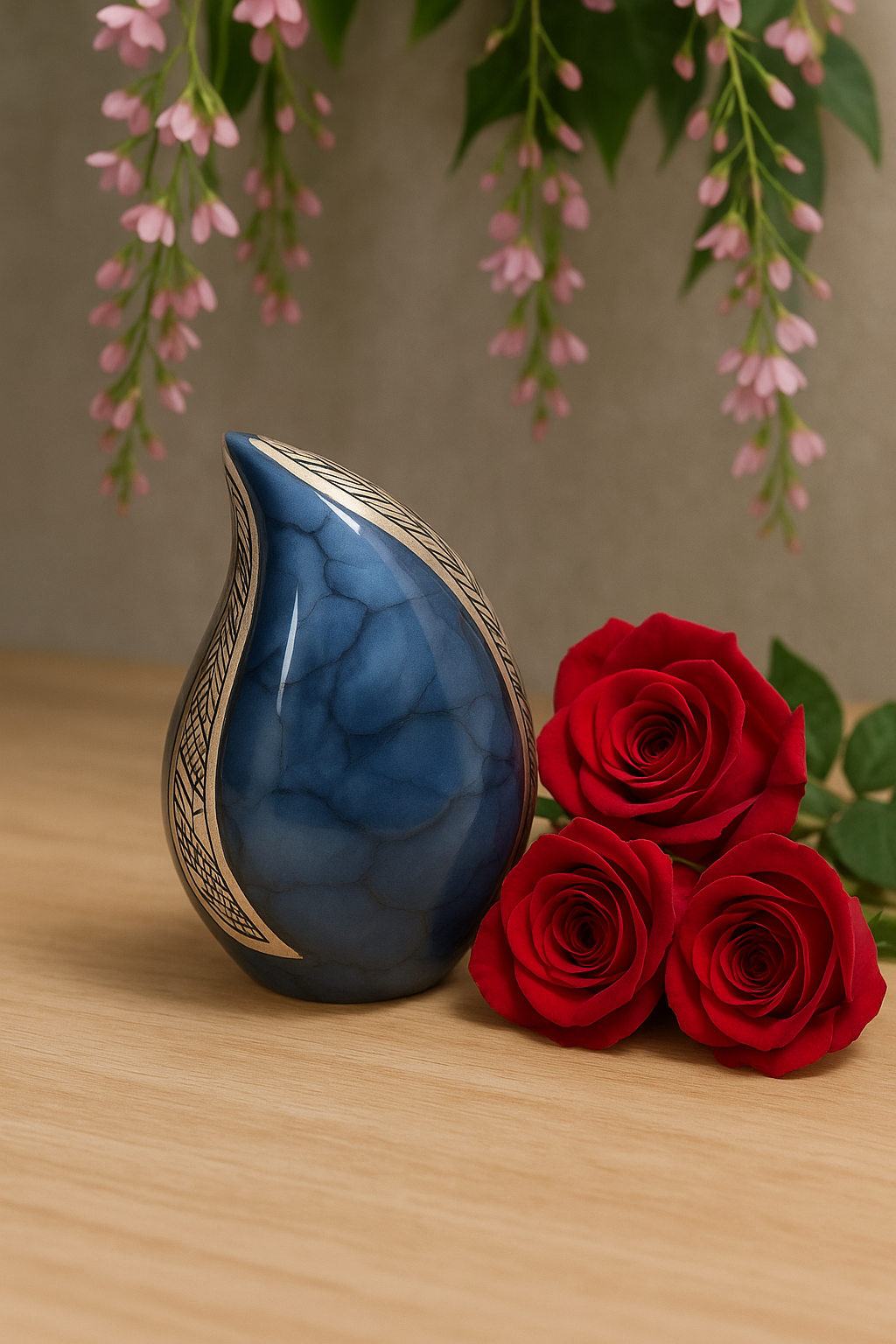
The Celestial Midnight Blue Teardrop Urn captivates at first glance with its deep, dark blue hue reminiscent of a starry night sky. The teardrop shape embodies the delicate balance of grief and beauty, providing a visual representation of the endless journey of the soul. The smooth lines and elegant design make it not just an urn, but a striking piece of art. Placed in a home, this urn can evoke cherished memories while serving as a comforting presence to family and friends.
Designed for Reverence
Crafted for adults, this urn is intended to hold a significant amount of ashes, allowing families the option to keep their loved one’s memory close. It comes with a velvet pouch, adding an extra layer of care and protection, ensuring that the urn can be stored safely when not on display. The soft fabric of the pouch symbolizes nurturing and affection, reinforcing the intimate connection between the family and the departed soul.
Comfort in Personalization
What sets the Celestial Midnight Blue Teardrop Urn apart is the opportunity for personalization. Families can choose to add a small plaque or engraving that memorializes their loved one with their name, dates, or a brief message. Such personal touches transform the urn into a treasured keepsake, one that tells a unique story. With every glance, families are reminded not only of loss but also of the beautiful life that once was.
Practical Considerations
When choosing an urn, practical aspects must also be taken into account. The teardrop design of this urn not only makes it aesthetically pleasing but also functional, making it suitable for display in various settings, whether atop a mantelpiece or as a part of a memorial table. Its durable materials ensure that it will stand the test of time, preserving precious memories for generations to come.
A Thoughtful Gift
In addition to its primary purpose, the Celestial Midnight Blue Teardrop Urn serves as a thoughtful gift for those who are navigating loss. Offering this urn to a grieving friend or family member shows deep empathy and understanding as they honor their loved one’s memory. It can also act as a meaningful element during memorial services, allowing attendees to participate in a heartfelt tribute.
Blessing Pearl Memorial Keepsake Urn
November 25th, 2025 | Posted in Adult Cremation Urns - (0 Comments)Cherishing Memories: The Blessing Pearl Memorial Keepsake Urn
In times of loss, finding a way to honor the memory of a loved one is a deeply personal journey. The Blessing Pearl Memorial Keepsake Urn serves as a beautiful tribute, encapsulating not just the essence of a cherished individual, but also the profound love that remains. With its elegant design and heartfelt significance, this urn offers a comforting way to preserve precious memories.
 Sophisticated Design and Craftsmanship
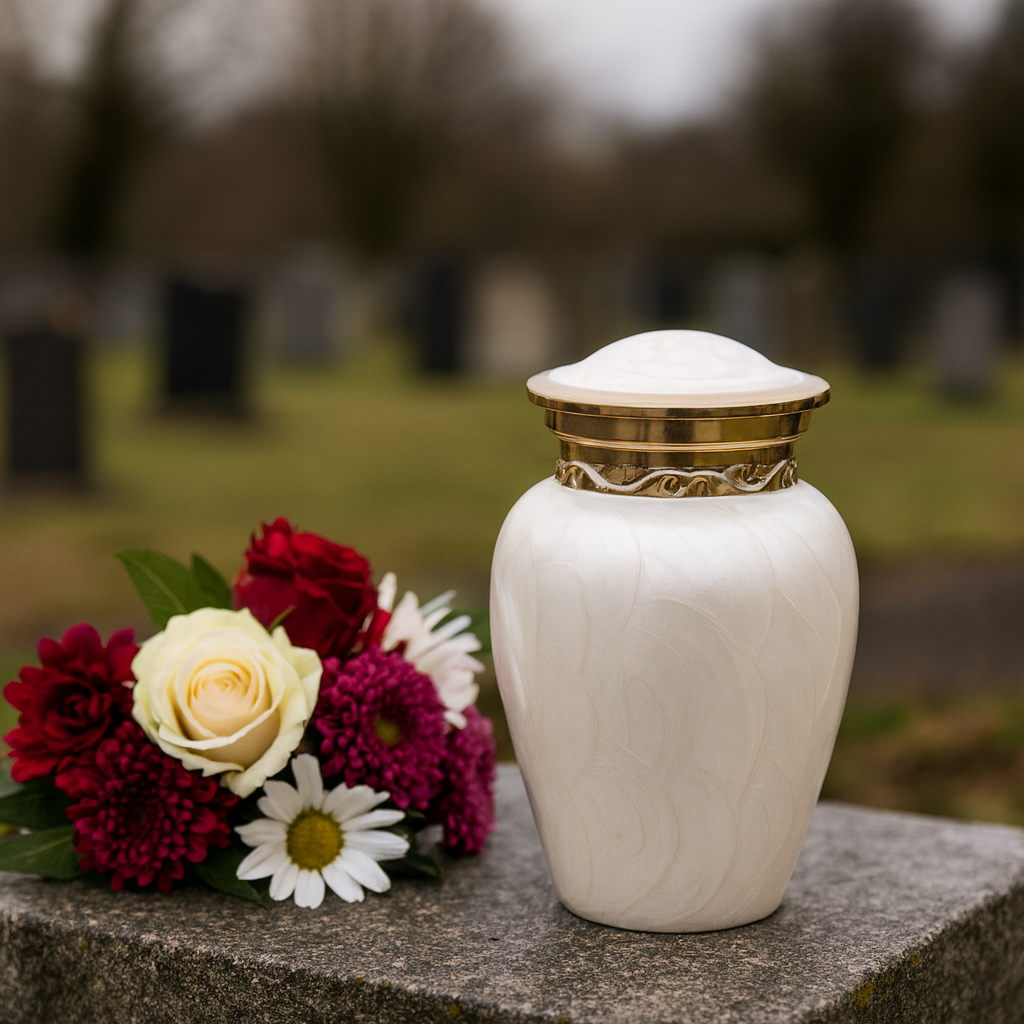
The Blessing Pearl Memorial Keepsake Urn stands out with its meticulously crafted exterior that resembles a lustrous pearl. This exquisite white finish is adorned with golden highlights, creating a gentle shimmer that reflects light in a soothing manner. Every detail of the urn is designed to evoke the beauty of life and the warmth of cherished memories. The pearl-like texture embodies purity and peace, making it an exquisite piece for any remembrance setting.
The Purpose of Keepsake Urns
Keepsake urns, like the Blessing Pearl, serve a specific purpose: they hold a portion of the ashes of a loved one while allowing family and friends to keep them close. The compact size makes it ideal for those who might prefer a smaller representation of their loved one’s legacy, or for sharing ashes amongst several family members. Whether displayed on a mantel, kept in a personal space, or carried with you, this urn provides a tangible connection to the past, enhancing the grieving process with a sense of continued presence.
Personalization and Sentiment
One of the most touching aspects of the Blessing Pearl Memorial Keepsake Urn is its potential for personalization. Families may choose to include a small personal item, a note, or even a picture of the loved one inside. This added layer transforms the urn from a simple container into a cherished keepsake, symbolizing the unique bond that existed. Engraving options may also be available, allowing for names, dates, or special messages to be engraved on the urn, further personalizing it for a meaningful tribute.
A Space for Reflection and Healing
Creating a space to remember and reflect is a crucial part of the healing process. The Blessing Pearl Memorial Keepsake Urn can help facilitate this environment. Its peaceful aesthetics encourage contemplation and gratitude for the moments spent together. Families might choose to light a candle, share stories, or simply sit in silence, focusing on the connection they still share. This urn, with its serene design, can act as a focal point in these moments of remembrance, helping to heal the heart while honoring a treasured life.
Embracing Biodegradable Urns for a Gentle Return to Nature
July 10th, 2025 | Posted in Adult Cremation Urns - (0 Comments)In recent years, many families have been seeking memorial solutions that honor a loved one’s spirit while treading lightly on the earth. Biodegradable urns offer a meaningful bridge between tradition and sustainability, allowing ashes to become part of a living ecosystem—whether it’s a budding memorial tree, a rippling river, or the open sea. Discover how these earth-friendly cremation urns can transform a farewell into an act of renewal and hope.
 Honoring Legacy Through Living Memorials
Biodegradable urns come in a variety of thoughtfully designed styles, each tailored to your vision of remembrance:
- Seed-embedded urns are crafted from recycled paper pulp infused with native wildflower, oak, or pine seeds. When buried in a commemorative garden, the urn breaks down naturally, giving life to a sapling or a vibrant floral tribute.
- Saltwater urns sculpted from pressed salt or eco-resin dissolve gently in the ocean’s embrace, creating a serene at-sea interment that returns ashes to the water’s rhythmic flow.
- Beach-release urns, often weighted and shaped like driftwood or smooth stones, settle on the shoreline before gradually yielding to the tide, symbolizing the ebb and flow of memory.
Choosing an urn that literally blossoms or recedes into nature can bring comfort—watching a tree take root each spring or hearing waves softly lap a final resting place connects grief to the ongoing cycle of life.
Materials That Matter
Manufacturers of biodegradable urns prioritize natural, renewable materials: paper, salt, sand, even cornstarch composites. These earth-friendly substances ensure that no microplastics or harmful residues linger after interment. Many urns feature bespoke finishes—hand-painted motifs of leaves, waves, or celestial symbols—so the vessel itself reflects the personality and passions of the one you remember.
Crafting a Personalized Ceremony
A biodegradable interment invites creative ceremony ideas:
• Planting Rituals: Gather family and close friends around a chosen memorial plot. As the urn is laid into the earth, each person places a handful of soil, sharing a memory or blessing. Overhead, a framed photo or keepsake can mark the spot until the first shoot emerges.
• Sunset Scattering: For ocean burials, consider a small charter boat at dusk. After a brief reading or musical tribute, the saltwater urn is gently slipped into the waves while loved ones toss flower petals, creating a poignant mosaic of color on the water.
• Memorial Garden: In a backyard or mausoleum garden, decorative biodegradable urns can nestle among perennial borders. A dedication plaque or engraved stepping stone completes the space, turning grief into an ongoing act of care as you tend to the emerging life.
 Practical Considerations
Biodegradable urns vary in their recommended interment methods and environmental conditions. Paper-pulp seed urns work best in soil that drains well and at a planting depth suited to the chosen seed type. Saltwater urns require a day when sea conditions are calm and legal regulations for scattering at sea are observed. Always check local ordinances or consult your funeral director to ensure a seamless, respectful farewell.
Extending the Legacy
Even after the initial ceremony, biodegradable urns can continue to support memory and renewal:
• Plant commemorative markers—small plaques or garden stones—next to newly sprouted trees.
• Share photos of growth milestones, like first blossoms or the sapling’s first autumn hues, with distant friends and family.
• Incorporate water-safe urn fragments into beach-glass art or wind chimes, blending the vessel’s remains into objects of daily beauty.
A Farewell That Feels Like Home
Opting for a biodegradable urn is more than an eco-friendly choice; it’s a heartfelt extension of a life well lived. As ashes nourish seedlings, salt crystals dissolve, or sands reclaim their treasure, the earth itself becomes your partner in grief and healing. By choosing a gentle return to nature, you honor both the memory of your loved one and the world they cherished—planting seeds of comfort that will bloom for generations to come.
Explore our full range of biodegradable cremation urns, seed keepsakes, and eco-friendly memorial options at
www.cremationurnsashes.com —and let your farewell grow into something beautiful.
Honouring Loved Ones with Brass Heart Teardrop and Keepsake Urns
July 10th, 2025 | Posted in Adult Cremation Urns - (0 Comments)In moments of loss, a keepsake urn becomes more than a vessel—it transforms into a lasting token of love and memory. Among the many materials available, brass stands out for its warm glow, enduring strength, and ability to be lovi ngly engraved or embellished. Whether chosen in a tender heart shape, a graceful teardrop form, or a petite keepsake size, brass urns offer a dignified way to hold a cherished portion of cremated remains close to home or scatter them in a meaningful place. This guide explores the unique qualities of heart-shaped brass urns, teardrop brass urns, and small keepsake brass urns, helping you find the perfect tribute for your loved one.
Why Brass?
Brass is prized for its beauty and resilience. Its natural lustre—ranging from golden tones to deeper antique finishes—lends warmth and gravitas to any memorial setting. Over time, a subtle patina can develop, symbolising the evolving nature of remembrance. Brass is also easily engraved: names, dates, or short inscriptions can be added to personalize each urn, turning it into a bespoke heirloom.
Heart-Shaped Brass Urns: A Symbol of Love
A heart silhouette speaks volumes without words. These urns capture the essence of enduring affection:
- Emotional Resonance
The classic heart shape instantly conveys love, making it an ideal keepsake for spouses, partners, or beloved family members. - Artisan Engraving
Delicate scripts or floral motifs can be hand-engraved across the heart’s face, creating a uniquely tailored tribute. - Display & Placement
Heart urns sit beautifully on mantels, bedside tables, or within memorial alcoves—where daily sight of the vessel becomes a gentle reminder of connection.
Teardrop Brass Urns: Grace in Form
Mimicking a single tear, teardrop urns embody both sorrow and the promise of hope:
- Fluid Design
The tapered, elongated form suggests movement—ideal for scattering ceremonies or as a standalone keepsake. - Balance of Sorrow & Serenity
Teardrop urns acknowledge grief with dignity while offering a sense of graceful closure. - Portable Tribute
Their streamlined shape makes them easy to transport for memorial services at sea, in gardens, or at special sites.
Keepsake Brass Urns: Small Yet Profound
For families wishing to share a portion of ashes among loved ones, keepsake urns in brass provide an elegant solution:
- Petite & Portable
Ranging from a few cubic inches upwards, these mini-urns fit comfortably in a hand, pocket, or small keepsake box. - Coordinated Collections
Matching brass capsules—heart, teardrop, or classic cylinder—allow multiple family members to hold their own meaningful memento. - Custom Finishes
From high-gloss polish to softly antiqued brass, keepsake urns can reflect each person’s unique relationship with the departed.
Personalisation & Ceremony Ideas
Brass urns lend themselves beautifully to customization. Consider collaborating with a local engraver to add a short poem, a fingerprint motif, or a simple emblem that captured your loved one’s spirit. During a small gathering, each family member might hold a keepsake urn, sharing a reflection before placing their piece into a larger family urn or scattering together. For a teardrop urn used at sea, invite attendees to whisper messages onto biodegradable ribbons before releasing them alongside the vessel.
Caring for Your Brass Urn
To preserve brass’s warm glow, simply dust with a soft cloth. If you prefer the aged patina, allow the metal to mellow naturally. Otherwise, a gentle brass polish can restore shine—just be sure to use non-abrasive formulas.
Finding Your Perfect Brass Keepsake
Explore our curated collection of brass keepsake urns—including heart shapes, teardrops, and mini sizes—at CremationUrnsAshes.com. Each piece ships with protective packaging and an optional engraving service, ensuring your tribute arrives ready for its place in your home or ceremony.
Designing a Thoughtful Memorial Display with Adult Cremation Urns
July 10th, 2025 | Posted in Adult Cremation Urns - (0 Comments) Creating a dedicated memorial space for an adult urn in your home brings warmth, hope, and daily connection. While the urn itself safeguards a loved one’s remains, its placement and styling turn remembrance into a gentle ritual—one that invites reflection and life-affirming beauty. Here’s how to craft a serene, elegant display using your red and gold adult urns, weaving together materials, textures, and personal touches for a lasting tribute.
Choose the Right Backdrop
Begin by selecting where your urn will live:
- Dedicated Shelf or Console
A narrow console table in your entryway or living room offers visibility without overwhelming the décor. - Floating Nook
Install a single floating shelf on a softly painted accent wall, creating an intimate alcove just for the urn. - Mantelpiece Moment
On a fireplace mantel, the urn can sit alongside family photographs and a single candle for evening reflection.
Layering for Depth and Warmth
Once you’ve chosen the spot, build layers to ground and elevate the urn:
- Base Layer – Textured Runner:
A hand-woven jute or linen runner in neutral tones anchors the scene. Its natural fibers complement the rich red hue of your urns without competing for attention. - Mid Layer – Low Planter or Trinket Dish:
Place a shallow ceramic dish or a compact succulent planter beside the urn. The living green or smooth ceramics offer a tactile counterpoint to the urn’s polished surface. - Top Layer – Adult Cremation Urn:
Center your red-and-gold urn (for example, the one etched with flying doves and stalks of wheat) on the runner. Its lustrous finish becomes the focal point, symbolizing enduring spirit.
 Personalizing Your Memorial Corner
Infuse personal touches that speak to your loved one’s story:
- Framed Memory Card or Poem:
A small frame with an excerpt of a favourite poem or a handwritten note adds meaning. Position it slightly behind the urn so it peeks into view. - Seasonal Accent Swap:
In spring, a bud vase of cherry blossoms; in autumn, a cluster of dried wheat stalks; in winter, a sprig of pine or holly. These living details echo the urn’s wheat motif and honor the cycle of seasons. - Candlelight Ambiance:
A single LED candle or a glass-encased votive casts a warm glow after dusk. It softens the metal tones and invites calm reflection.
Balancing Scale and Proportion
To keep your display harmonious:
- If your urn stands about 8–10 inches tall, pair it with one or two smaller accents no more than half its height—like a 3–4 inch ceramic dish or photo frame.
- Avoid overcrowding: allow at least a few inches of “breathing room” around each object so the urn remains the star.
 Caring for Your Urn Display
- Dust Gently: Use a soft, dry cloth for metal finishes and a dry brush for intricate etchings.
- Protect from Sunlight: Position away from direct sun to keep colors vibrant and prevent heat damage.
- Update Mindfully: When swapping seasonal accents, take a moment of reflection—this simple ritual can become a comforting part of your remembrance practice.
Bringing It All Together
A polished red-and-gold adult urn isn’t just a vessel; it’s a powerful symbol of memory, love, and continuity. By thoughtfully layering textures, integrating personal mementos, and balancing seasonal flourishes, you transform a simple urn into an enduring tribute—one that honors your loved one’s legacy while enhancing the warmth and style of your home.
Ready to curate your memorial display? Explore our collection of adult cremation urns—each etched with meaningful motifs like soaring doves or ripening wheat—at CremationUrnsAshes.com, and begin crafting a sacred space that celebrates life, love, and remembrance.
A Guide to Eco-Friendly Urns and Scattering Ceremonies
June 26th, 2025 | Posted in Adult Cremation Urns - (0 Comments) 
In an age when honoring our planet is as vital as honoring our loved ones, choosing an eco-friendly memorial feels both deeply meaningful and profoundly hopeful. Biodegradable urns and scattering ceremonies allow ashes to return gently to earth or sea, creating a final tribute that celebrates life’s cycle rather than simply closing a chapter. If you’re seeking a caring, environmentally conscious farewell, here’s how to craft a ceremony—and select the perfect urn—that honors both memory and Mother Nature.
Discover the Beauty of Biodegradable Urns
Biodegradable urns have evolved far beyond simple cardboard tubes. Today’s eco-luxury options include:
Pressed Plant-Fiber Vessels, crafted from recycled paper or sawdust, often seeded with wildflower or native grass seeds that take root and bloom in spring.
- Salt Crystal Urns, engineered to dissolve at sea; their pearlescent surfaces catch the sunlight, then slowly melt into the waves, returning ashes to the ocean.
- Sustainably Sourced Bamboo and Cork Urns, whose warm hues and natural textures echo the forests from which they came, breaking down harmlessly in soil.
- Clay and Sand Composite Urns, with subtle earthy finishes that crumble over time, nourishing plants and microorganisms below ground.
Each of these vessels can be personalized with a laser-etched nameplate or a hand-painted design—think a simple leaf motif, a favourite poem line, or the shape of a beloved landscape.

Crafting a Gentle Scattering Ritual
A green farewell often centers on a scattering ceremony, where ashes disperse in a place of significance. To make this moment resonate:
- Choose a Site with Meaning
Whether it’s a favourite beach at dawn, a quiet woodland clearing, or a flourishing wildflower meadow, select a location that holds shared memories. Seek any necessary permissions ahead of time—most public lands welcome ashes discreetly, especially in biodegradable urns. - Frame the Moment with Quiet Reflection
Invite guests to gather in a loose circle. A simple musical interlude—a solo flute, a recorded lullaby, or birdsong—can weave serenity into the air. Offer each close friend or family member a small biodegradable urn or scattering tube, creating an intimate sharing of ashes. - Incorporate Living Symbols
As ashes drift away, toss petals of lavender, rose, or native blooms—many of which will later feed pollinators. Alternatively, invite attendees to cast seeds from native wildflowers, ensuring new life springs up where memories settle. - Seal the Ceremony with a Toast
End with a drink that held special meaning—perhaps a cup of elderflower cordial or a sip of a favourite vintage—raising cups to a life well lived and a legacy that reaches beyond our own time.
 Beyond Scattering: Planting Memorial Trees
For those who prefer a lasting, living tribute, consider tree-planting in tandem with your eco-urn ceremony:
- Select a Native Species that thrives in local soil and climate—oak for resilience, birch for grace, or rowan for gentle beauty.
- Plant the Tree Over the Urn (if soil conditions allow), so ashes feed its roots directly, symbolizing a life renewing as part of the earth.
- Engrave a Companion Plaque or Stone nearby, bearing a name and date, turning the sapling into a personal remembrance grove.
Each year, as leaves unfurl, you witness the passage of seasons and the bloom of memory—nature’s own testament to love’s enduring growth.
Combining Keepsakes with Green Farewells
Eco-friendly ceremonies needn’t preclude personal mementos. To carry a touch of your loved one with you:
- Cremation Jewellery holds a tiny pinch of ashes in pendants or bracelets—choose recycled metals and simple designs that match your eco ethos.
- Miniature Biodegradable Keepsake Urns let each relative keep a small portion of ashes, fashioned from pressed paper or salt crystal, perfect for a pendant or a discreet shelf.
- Seed-Embedded Memory Cards, printed on recycled paper, carry messages of love and tiny wildflower seeds—after the ceremony they can be planted, letting wishes and plants grow together.
These keepsakes bridge the home and the natural world, allowing everyday moments to carry reminders of both loss and renewal.
 A Conscious Choice for the Future
Opting for an eco-luxury memorial is an act of compassion—toward the Earth, toward future generations, and toward a loved one whose life nourishes more than just our memories. By selecting a biodegradable urn, crafting a ritual that honors the environment, and integrating living tributes, you transform farewell into a gift: a promise that from endings bloom new beginnings.
May your ceremony be gentle, your memories ever-green, and your legacy one of stewardship, love, and the beautiful cycle that connects us all.
Honoring Togetherness The Art and Meaning of Companion Urns
June 17th, 2025 | Posted in Adult Cremation Urns - (0 Comments) For couples who shared a lifetime of memories, adventures, and quiet moments, choosing a companion urn offers a beautifully symbolic way to remain side by side even in farewell. More than simply a larger vessel, a companion urn is a thoughtfully designed tribute—melding artistry, craftsmanship, and heartfelt intent into a single memorial that reflects the bond you cherish most.
Why Choose a Companion Urn?
A companion urn does more than accommodate two sets of ashes—it embodies unity and enduring love. Rather than scattering or dividing remains into separate keepsakes, many couples and families find comfort in a joint memorial. The shared vessel becomes a focal point for remembrance, a single object that speaks of shared journeys, intertwined lives, and the promise that true partnership transcends even the final goodbye.
Styles That Speak to Couples
Companion urns come in an array of designs—from timeless classics to striking modern statements:
Elegant Vases in Paired Halves
Imagine two interlocking pieces, each with its own shape and texture, yet designed to fit seamlessly together. One half might be polished brass with engraved initials, the other finished in softly patinated bronze bearing a shared date or motto. When placed together, they create a sculptural silhouette that celebrates individuality within unity.
Dual Chambers in a Single Sculpture
Some artisans craft a single form—perhaps a hand-thrown ceramic vessel or a carved block of wood—with two discreet chambers side by side. The vessel’s surface can be adorned with relief motifs that flow across both sides: a continuous vine, a pair of swans, or two birds in flight. These uninterrupted designs emphasize the idea that even separate lives are woven into a shared narrative.
 Heart-Shaped & Symbolic Forms
For a more romantic touch, companion urns in the shape of a heart or infinity symbol allow each partner’s ashes a dedicated nook. One side may carry a glossy finish, the other matte; one engraved with poetry, the other left simple—yet the shape itself speaks volumes about eternal connection.
Materials That Reflect Your Story
Selecting the right material ensures your companion urn resonates with personal significance:
- Reclaimed Wood evokes warmth and heritage—ideal for couples who built a home together or treasured time in nature. The grain patterns, knots, and color variations speak of years passed and memories made.
- Polished Marble conveys timeless elegance, suited to those whose bond felt steadfast and immutable. Each vein and swirl in the stone become part of your shared legacy.
- Hand-Blown Glass offers delicate beauty: swirling pigments of two favorite colors merge in the center. As sunlight passes through, it illuminates the idea that love brings light into every corner of life.
- Biodegradable Stone & Salt caters to eco-conscious duos, allowing final resting rites that return them gently to earth or sea—symbolizing that even in departure, they nourish the world they loved.
Personalizing Your Joint Tribute
Companion urns invite a wealth of customization:
- Engraved Dedications: Inscribe names, important dates, or a shared phrase—perhaps the refrain of a wedding song or an inside joke that still brings smiles.
- Hand-Painted Motifs: Commission an artist to depict a scene meaningful to you both—a skyline of your favorite city, silhouettes of two trees growing side by side, or the constellations visible on the night you met.
- Inlaid Keepsakes: Some designs allow for tiny hidden compartments—perfect for placing a lock of hair, a special gemstone, or small mementos from your life together.
- Coordinated Ceramics: Potters can blend two clay bodies—one tinted warm terracotta, the other cool stone-grey—crafting a single form that highlights contrast and harmony.
 Ceremony Ideas for Companion Interment
The act of laying a companion urn to rest is an opportunity for a deeply moving shared ceremony:
- Dual Procession: Have two people carry each side of the urn, symbolizing balanced support. Their paths can converge at the final spot—whether a columbarium niche, a garden of remembrance, or a scattering site.
- Partnered Rituals: Invite guests to take turns placing flower petals or small mementos on each half of the urn, celebrating the life of each partner while underscoring their unity.
- Shared Toast: At sunset, raise a glass of champagne or tea—whatever evokes your togetherness—and make a collective vow to carry their legacy forward, honoring both lives as one.
Living Legacies Beyond the Urn
A companion urn can be the beginning of a continuing story rather than its end:
- Plant a Memorial Tree together at the site of interment, its roots entwining just as your lives did.
- Annual Gathering: Mark anniversaries with a small reunion of family and friends at the urn’s resting place, sharing laughter, tears, and shared stories.
- Digital Tribute: Create a joint memorial webpage where loved ones can upload photos, notes, and music that meant the world to the couple—ensuring their shared spirit thrives across generations.
A Tribute as Unique as Your Love
Choosing a companion urn is a celebration of partnership in its truest form: two souls journeying together, even beyond this life. By selecting a design that resonates—through material, shape, personalization, and ceremony—you craft a memorial as singular and profound as the bond it honors. In that vessel, love remains present, a tangible testament to the beauty of walking side by side, always.
A New Era of Elegance: Embracing Eco-Luxury Urns for the Conscious Memorial
June 12th, 2025 | Posted in Adult Cremation Urns - (0 Comments)In a world where every choice speaks to who we are and what we leave behind, the art of remembrance is evolving. Gone are the days of one-size-fits-all tribute vessels. Today’s most discerning families seek urns that marry bespoke beauty with gentle stewardship of the earth. From fields of wildflowers on glass-topped keepsakes to sculpted saltwater urns designed to float at sea, this movement toward eco-luxury is reshaping how we honor lives loved and lost.

Imagine a handcrafted urn of reclaimed oak whose grains tell a story of renewal, its surface softly burnished by artisanal hands. Beside it, a delicate vessel spun from hand-blown glass holds a single wildflower seed pod—a living memorial that, when planted, will rise into fragrant lavender in spring’s first light. These are not mere containers; they are soulful sculptures that reflect personal values and a profound respect for nature’s cycle.
At the heart of this trend lies the biodegradable urn, reimagined in textures both sumptuous and unexpected. One may discover an urn of pressed salt crystals, subtly iridescent, that gently dissolves upon entering the ocean’s hush. Another reveals itself as a handcrafted paper lotus, each petal infused with native wildflower seeds destined to bloom into a private memorial garden. Such designs transform the final act of farewell into a generous gift back to earth—an echo of life’s endless flow.

The choice of materials imparts both elegance and meaning. Polished marble urns, pared back to their purest veining, offer a timeless sanctuary for ashes laid to rest in a bespoke columbarium niche. Warm copper urns, the hue of autumn’s last light, develop a patina over time—symbolizing how memories deepen with age. And in the realm of wearable remembrance, petite pendants cast in recycled sterling silver hold token amounts of ash, their delicate forms echoing family heirlooms passed through generations.
Ceremony itself takes on new dimensions when paired with these eco-luxury vessels. Picture a twilight service in a rose-lit garden: the urn arrives cradled on a bed of moss and ivy, carried by loved ones down a pebble-lined path. A harp softly weaves through evening air while petals drift from above, each one a whispered tribute. After the urn finds its resting place—perhaps in a stone niche entwined with jasmine—wine glasses are raised under lanterns as stories take flight, ensuring that laughter and tears intertwine in equal measure.
Even after the ceremony, these urns continue to inspire. A marble keepsake box might grace a console table, its cool surface a place to leave letters of remembrance. A biodegradable memorial, seeded in soil, may become a flowering monument that visitors tend each year on the anniversary of a life celebrated. In these living legacies, memory grows anew, ever blooming.

For those seeking the pinnacle of personalization, bespoke eco-luxury providers now offer collaborative design experiences. Patrons choose local timbers, co-create glass tints, and select native seed mixes that bloom in harmony with regional landscapes. Every detail—down to the hand-painted calligraphy on a silk ribbon—becomes part of a narrative both intimate and enduring.
This fusion of elegance and environmental care resonates deeply in our era. As families strive to make choices that reflect their values, the eco-luxury urn has emerged as the ultimate expression of a life well lived and lovingly remembered. It reminds us that even in farewell, there is beauty, intention, and the promise that our stories will continue to flourish in the world we leave behind.
How to Plan an Interment of Ashes Ceremony: A Luxurious Guide
June 10th, 2025 | Posted in Adult Cremation Urns - (0 Comments)
An interment of ashes ceremony is a deeply personal event—one that honors a loved one with dignity, beauty, and lasting remembrance. With thoughtful planning, this ceremony can transcend tradition and become a bespoke tribute that reflects the life, passions, and elegance your loved one embodied. Below, discover how to craft a truly memorable interment experience, from selecting a serene setting to choosing bespoke touches that whisper luxury and care.
Envision the Perfect Location
The backdrop of your ceremony sets its entire tone. Seek out spaces that marry natural beauty with refined calm:
- A manicured memorial garden with gently winding paths and flowering borders, where family and friends can gather amid fragrant blossoms.
- A classic columbarium niche carved from marble or polished granite, offering a timeless sanctuary for the urn.
- A private wooded grove or estate garden, where dappled sunlight filters through mature trees and a sense of intimate seclusion prevails.
Visiting potential sites in all seasons helps you appreciate how light, colour, and atmosphere will evolve—ensuring the ceremony feels enchanting whether amid spring blooms or autumnal gold.
Curate a Luxurious Urn Presentation
An urn is more than a container; it’s the centerpiece of the interment ritual. Consider:
- Artisan-crafted urns in materials like hand-blown glass, polished bronze, or sustainably sourced hardwoods—each piece a work of functional art.
- Plinths and stands in marble, brass, or sculpted stone to elevate the urn, both physically and symbolically, above ground level.
- Vegetal draping—a bespoke arrangement of fresh foliage, orchids, or roses—that cascades gently over the stand, integrating the urn into its natural surroundings.
This curated display ensures that as the urn is gently placed into its final home, it does so with the grace and weight it deserves.
Design a Ceremony Flow That Resonates

The ceremony’s rhythm should feel organic, guiding guests through reflection, tribute, and farewell without haste:
- Welcome moment: Invite attendees to arrive early over soft harp or string music, perhaps while sipping a bespoke herbal infusion—a final handcrafted tea your loved one cherished.
- Opening tribute: A close friend or family member shares a heartfelt reflection. Choose someone whose voice captures the spirit you wish to celebrate.
- Ritual of interment: As the urn is received, have attendants carry it on a silk-draped tray or in a velvet-lined box. A gentle release—lifting a petal garland or lifting a ribbon—marks the moment of placement.
- Musical selection: Enlist a soloist—soprano, cellist, or flautist—to perform a signature piece live. Hearing a favourite melody in that hushed space creates an intimate bridge between memory and closure.
- Silent reflection: Allow a minute of silence accompanied by the soft toll of a handbell or temple gong, anchoring collective reverence.
- Final blessing or reading: Conclude with a reading—poetry, prose, or prayer—that speaks of lasting legacy and renewal.
Your officiant or celebrant can weave these elements seamlessly, ensuring that every pause and flourish feels both meaningful and unhurried.
Personal Touches That Elevate
Infuse the ceremony with bespoke details that mirror the uniqueness of the individual you honour:

- Signature scent: Commission a small diffuser blend—perhaps lavender and frankincense—that permeates the space and becomes a lasting olfactory memory.
- Custom vow cards: Printed on linen-textured paper with your loved one’s monogram, handed to guests for personal messages or memory notes. These can later be bound into a keepsake volume.
- Memory gifts: Offer guests a delicate token—an engraved pebble, a miniature plantable seed paper bookmark, or a memory candle—so the act of remembrance extends beyond the ceremony.
- Floral symbols: Select flowers tied to personal significance—blue hydrangeas for heartfelt emotions, white peonies for honor, or your loved one’s favourite bloom—arranged by an artisan florist.
These thoughtful accents transform the interment into a bespoke tableau of love and bespoke elegance.
Follow-Through: After the Ceremony
The day’s warmth lingers in the smallest of gestures:
- Reception of remembrance: Host a small gathering afterwards—tea in a walled garden, champagne on a sunlit terrace—where stories flow and life is celebrated.
- Ongoing care: Arrange for seasonal wreaths or floral refreshes at the urn’s resting site, a subscription service that honors anniversaries and birthdays.
- Digital memorial: Create a dedicated page where attendees can upload photos, videos, and written tributes, ensuring those who couldn’t attend still feel part of the farewell.
By carrying the ceremony’s luxurious spirit forward, you affirm that remembrance is a journey as much as a moment.
A Lasting Celebration of Life
Planning an interment of ashes ceremony is an act of love—crafting a final tribute that holds beauty, intention, and the essence of who your loved one was. With careful attention to setting, ritual, and personalized flourishes, you offer more than a farewell; you create a sanctuary of memory, a promise that their story continues to bloom in the hearts of all who share it


